
Shop the collection
Cat Bowls, Feeders & Water Fountains
- 30-day easy returns
- Fast US delivery from multiple warehouses
- Secure checkout: Shop Pay, PayPal, Amazon Pay, Google Pay
84 products · Page 4 of 4




Cat Bowls, Feeders & Water Fountains
Functional Feeding and Hydration Solutions for Cats at Every Life Stage
Cat bowls, feeders, and water fountains are designed to support healthy eating habits, encourage adequate hydration, and provide a consistent, stress-free feeding experience for cats of all ages and sizes. From shallow ceramic dishes that reduce whisker fatigue to automatic feeders that maintain portion control across multiple meals, and recirculating water fountains that promote daily water intake, our collection features a carefully selected range of feeding and hydration products made with durable, food-safe materials and functional designs that complement a cat's natural instincts and dietary needs.
Why the Right Feeding Setup Matters for Cats
Cats are highly sensitive to the feeding experience - the shape, depth, material, and placement of a bowl can directly affect how much a cat eats, how comfortably they eat, and whether they develop aversions to their food or water station. Whisker fatigue, caused by deep or narrow bowls that force a cat's sensitive whiskers to compress against the sides during eating, is a common but frequently overlooked cause of reduced food intake and feeding stress. Hydration is equally critical - cats have a naturally low thirst drive and are prone to chronic dehydration, particularly those fed primarily dry food. Moving water from a recirculating fountain is more appealing to most cats than still water in a standard bowl, making water fountains one of the most effective tools for increasing daily water consumption and supporting urinary and kidney health. Automatic feeders address portion control and meal timing for cats in multi-pet households, cats on prescription feeding schedules, or owners with irregular schedules who need consistent meal delivery without manual intervention.
Key Benefits of Cat Bowls, Feeders & Water Fountains
- Whisker fatigue prevention - wide, shallow bowl designs reduce whisker contact during eating, improving feeding comfort and food intake consistency
- Hydration support - recirculating water fountains encourage higher daily water intake by providing fresh, oxygenated, moving water that cats find more appealing than still water
- Portion control - automatic feeders deliver precise meal portions on a programmed schedule, supporting weight management and consistent feeding routines
- Hygienic feeding surfaces - ceramic, stainless steel, and BPA-free materials resist bacterial buildup and are easy to clean and maintain
- Elevated feeding options - raised bowls support a more natural eating posture, reducing neck strain and improving swallowing comfort for senior cats and those with mobility limitations
- Multi-cat compatibility - separate feeding stations and timed feeders reduce competition and resource guarding in multi-cat households
- Material variety - ceramic, stainless steel, and BPA-free plastic options to suit different preferences, sensitivities, and cleaning routines
How to Choose the Right Bowl, Feeder, or Fountain for Your Cat
Choosing the right feeding and hydration setup depends on your cat's eating habits, health needs, household configuration, and your daily routine. For cats that eat too quickly or show signs of feeding stress, wide shallow bowls with a low profile and no whisker contact are the most immediate improvement. For cats on dry food diets or those with a history of urinary issues, a recirculating water fountain is one of the highest-impact additions to a feeding setup, as increased water intake directly supports kidney and bladder health. For cats on prescription feeding schedules, weight management programs, or households with multiple cats requiring separate meal portions, an automatic feeder with programmable timing and portion control provides the most consistent and reliable feeding management. For senior cats or those with arthritis or neck stiffness, elevated or tilted bowl designs reduce the physical effort required during eating and drinking.
Types of Cat Bowls, Feeders & Water Fountains
Cat Food Bowls
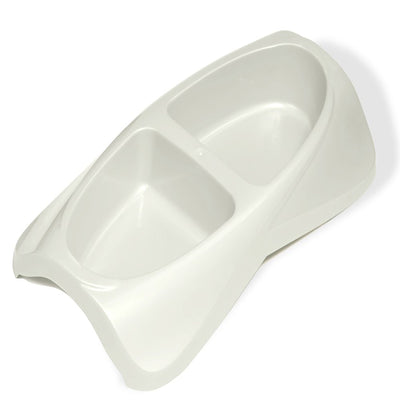
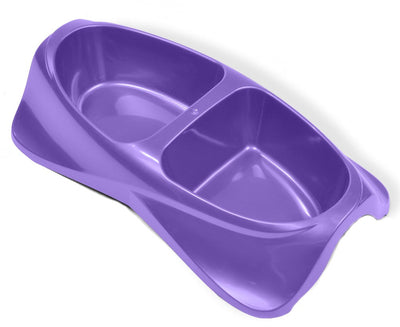
Cat food bowls are available in ceramic, stainless steel, and BPA-free plastic, each with distinct advantages in terms of hygiene, durability, and cat acceptance. Ceramic bowls are heavy, stable, and non-porous, making them resistant to bacterial buildup and easy to clean - they are a strong choice for cats with chin acne or skin sensitivities linked to plastic bowl use. Stainless steel bowls are virtually indestructible, dishwasher-safe, and hygienic, making them a practical long-term option for most households. Wide, shallow designs with a low rim height are recommended for cats prone to whisker fatigue, while elevated or tilted bowls suit senior cats and those with musculoskeletal limitations. Bowl size should be matched to the cat's head size and portion volume to ensure comfortable, unrestricted access to food.
Automatic Cat Feeders
Automatic cat feeders dispense pre-portioned meals on a programmed schedule, providing consistent feeding times and portion sizes without requiring manual intervention at each meal. These feeders are particularly valuable for cats on weight management programs, cats with medical conditions requiring timed feeding, multi-cat households where individual portion control is needed, and owners with variable schedules who cannot always be present for meal times. Most automatic feeders accommodate dry kibble and some support wet food with ice pack compartments for short-duration freshness. Key features to consider include portion size range, number of daily meals, hopper capacity, power source, and ease of cleaning. For multi-cat households, individual feeders with microchip or collar tag recognition prevent food sharing and ensure each cat receives their designated portion.
Cat Water Fountains
Cat water fountains use a recirculating pump to keep water moving continuously, providing fresh, oxygenated water that is significantly more appealing to most cats than still water in a standard bowl. The movement of water mimics a natural water source, triggering a cat's instinct to drink from running water and increasing daily water intake - a critical factor in preventing urinary tract disease, kidney disease, and chronic dehydration in cats fed dry food diets. Water fountains are available in ceramic, stainless steel, and BPA-free plastic, with varying reservoir capacities, flow styles, and filtration systems. Activated carbon filters remove impurities and odors, maintaining water freshness between cleaning cycles. Fountain capacity should be matched to the number of cats in the household, and regular cleaning of the pump and reservoir is essential to prevent biofilm buildup and maintain water quality.
Elevated & Tilted Cat Bowls
Elevated and tilted cat bowls raise the feeding surface to a height that reduces neck extension and promotes a more natural eating posture, which can improve swallowing comfort, reduce regurgitation in cats that eat too quickly, and decrease physical strain during meals. These bowls are particularly beneficial for senior cats with arthritis or reduced neck mobility, cats recovering from surgery, and those with megaesophagus or other swallowing difficulties. Elevated feeders are available as standalone raised bowls or as adjustable feeding stations that accommodate multiple bowl heights. Tilt angle and elevation height should be selected based on the cat's size and the specific physical limitation being addressed.
Cat Bowl & Feeder Accessories
Cat bowl and feeder accessories include replacement filters for water fountains, non-slip mats that stabilize bowls during feeding, spare bowls for automatic feeders, and cleaning brushes designed for fountain pump maintenance. Replacement filters should be changed according to the manufacturer's schedule - typically every 2 to 4 weeks depending on water quality and the number of cats using the fountain. Non-slip feeding mats protect flooring, contain spills, and prevent bowl movement during enthusiastic eating. Keeping spare components on hand ensures uninterrupted operation of automatic feeders and water fountains.
Frequently Asked Questions
What material is best for cat food bowls?
Ceramic and stainless steel are the most hygienic and durable options for cat food bowls. Both materials are non-porous, resistant to bacterial buildup, and easy to clean. Plastic bowls can harbor bacteria in surface scratches and have been associated with feline chin acne in some cats. If your cat has skin sensitivities or chin acne, switching to ceramic or stainless steel is recommended. Choose a wide, shallow design to minimize whisker contact during eating.
How often should I clean a cat water fountain?
Cat water fountains should be fully disassembled and cleaned at least once every 1 to 2 weeks, with the pump cleaned separately to remove biofilm and mineral deposits. Replacement filters should be changed every 2 to 4 weeks depending on the manufacturer's recommendation and your water quality. Regular cleaning prevents bacterial and algae growth in the reservoir and maintains the pump's flow rate and longevity.
Will a water fountain actually make my cat drink more water?
For most cats, yes. Moving water is more appealing to cats than still water due to their instinct to seek out running water sources in nature. Studies and veterinary observations consistently show that cats drink more water when provided with a recirculating fountain compared to a standard bowl. Increased water intake is particularly beneficial for cats on dry food diets and those with a history of urinary tract issues or kidney disease.
Are automatic feeders suitable for wet food?
Some automatic feeders are designed to accommodate wet food with refrigerated or ice pack compartments that maintain freshness for a limited period - typically 4 to 8 hours depending on ambient temperature. Most standard automatic feeders are designed for dry kibble only. If wet food feeding is a priority, look for feeders specifically marketed for wet food use and follow the manufacturer's guidelines on maximum food exposure time to ensure food safety.
How do I stop my cats from stealing each other's food?
Microchip-activated feeders that open only for the cat with the registered microchip are the most effective solution for preventing food sharing in multi-cat households. These feeders keep food covered and inaccessible to other cats, ensuring each cat receives their designated portion without competition or resource guarding. Feeding cats in separate rooms or on separate schedules is an alternative approach for households where individual feeders are not practical.
Shop Cat Bowls, Feeders & Water Fountains at Pets Perfect
Browse our full selection of cat bowls, automatic feeders, and water fountains - ceramic and stainless steel bowls, programmable feeders, recirculating fountains, elevated feeding stations, and accessories - all selected for material quality, functional design, and compatibility with cats' natural feeding and hydration instincts. Find the right feeding setup for your cat and support healthier eating and drinking habits every day.