Shop the collection
Small Pet Habitat Accessories
- 30-day easy returns
- Fast US delivery from multiple warehouses
- Secure checkout: Shop Pay, PayPal, Amazon Pay, Google Pay
Nothing in this collection right now. Browse every collection
Small Pet Habitat Accessories
Enrichment, Comfort, and Functional Accessories for Small Pet Habitats
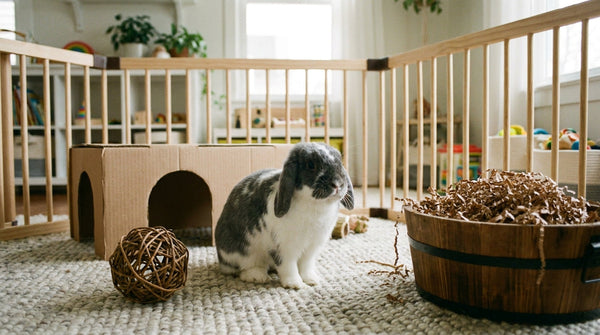
Small pet habitat accessories are designed to enhance the living environment of hamsters, guinea pigs, rabbits, gerbils, chinchillas, rats, mice, and other small animals by providing enrichment, shelter, exercise opportunities, and functional furnishings that support natural behaviors and overall wellbeing. From hideouts and tunnels that satisfy the instinct to burrow and seek shelter, to platforms, ramps, and climbing structures that encourage physical activity, our collection features a carefully selected range of habitat accessories made with pet-safe materials and functional designs that complement enclosures of all sizes and configurations.
Why Habitat Accessories Matter for Small Pets
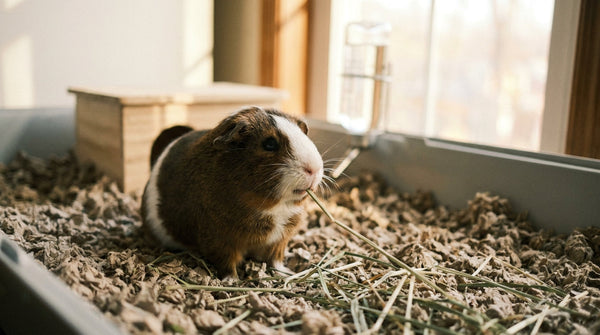
A bare enclosure does not meet the behavioral and psychological needs of small animals, many of which are highly active, curious, and instinct-driven in ways that require environmental stimulation to express naturally. Hamsters, gerbils, and mice are burrowing animals that need hideouts and substrate depth to feel secure. Guinea pigs and rabbits are social, exploratory animals that benefit from tunnels, platforms, and foraging opportunities that encourage movement and mental engagement. Chinchillas and rats are agile climbers that require vertical space and climbing structures to exercise and express natural locomotor behaviors. Without adequate environmental enrichment, small pets are prone to stress, boredom-related behaviors such as bar chewing and repetitive pacing, and the physical health consequences of inactivity. Well-chosen habitat accessories transform a functional enclosure into a stimulating, species-appropriate environment that supports both physical health and behavioral wellbeing.
Key Benefits of Small Pet Habitat Accessories
- Behavioral enrichment - tunnels, hideouts, and foraging accessories encourage natural behaviors including burrowing, exploring, and problem-solving
- Physical activity support - platforms, ramps, climbing structures, and exercise wheels promote daily movement and prevent the health consequences of inactivity
- Stress reduction - hideouts and shelters provide secure retreat spaces that reduce anxiety and support a sense of safety in the enclosure
- Habitat customization - modular and stackable accessories allow enclosure layouts to be reconfigured regularly, providing novelty and preventing habituation
- Pet-safe materials - natural wood, food-grade plastic, and untreated materials that are safe for chewing, climbing, and extended contact
- Species-specific design - accessories sized and configured for the specific behavioral needs of hamsters, guinea pigs, rabbits, chinchillas, rats, and other small animals
- Easy installation and cleaning - designed for simple attachment to wire enclosures or freestanding placement, with smooth surfaces that are easy to wipe down or wash
How to Choose the Right Habitat Accessories for Your Small Pet
Choosing the right habitat accessories depends on your pet's species, size, activity level, and the configuration of their enclosure. For burrowing species such as hamsters, gerbils, and mice, hideouts with a single entry point and a dark interior provide the most appropriate shelter, while tunnels that can be partially buried in substrate encourage natural digging behavior. For guinea pigs and rabbits, open-ended tunnels, hay-filled foraging accessories, and low platforms that are easy to access without jumping provide enrichment that suits their ground-dwelling, exploratory nature. For chinchillas and rats, multi-level platforms, rope bridges, and climbing structures that utilize vertical enclosure space provide the physical challenge and locomotor variety these species require. Always match accessory size to your pet's body size to ensure safe entry, exit, and use, and inspect accessories regularly for signs of chewing damage that could create sharp edges or ingestion hazards.
Types of Small Pet Habitat Accessories
Hideouts & Shelters
Hideouts and shelters provide small pets with a secure, enclosed retreat space that satisfies the instinct to seek shelter and reduces stress in the enclosure environment. Available in natural wood, ceramic, and food-grade plastic, hideouts range from simple single-chamber designs to multi-chamber structures with multiple entry points. Natural wood hideouts are appropriate for species that chew, as untreated wood is safe for ingestion in small quantities and provides additional enrichment through the chewing behavior itself. Ceramic hideouts are heavier, more stable, and easier to sanitize, making them a practical choice for guinea pigs and rabbits. Hideout size should allow the pet to turn around comfortably inside without being so large that it loses the sense of enclosure that makes the shelter feel secure.
Tunnels & Tubes
Tunnels and tubes encourage exploration, provide a sense of security during transit through the enclosure, and satisfy the burrowing instinct in species that naturally navigate underground passages. Available in flexible fabric, rigid plastic, and natural seagrass or hay, tunnels vary in diameter, length, and configuration to suit different species and enclosure sizes. Flexible fabric tunnels are lightweight and can be repositioned easily, while rigid plastic tubes can be connected in modular configurations to create custom tunnel networks. Natural seagrass and hay tunnels provide additional enrichment through foraging and chewing, making them particularly suitable for guinea pigs and rabbits. Tunnel diameter should be matched to the pet's body width to ensure comfortable passage without the risk of becoming stuck.
Platforms, Ramps & Climbing Structures
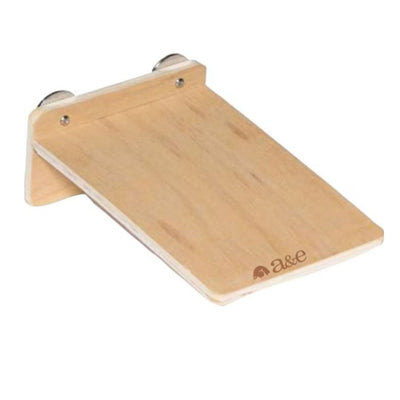
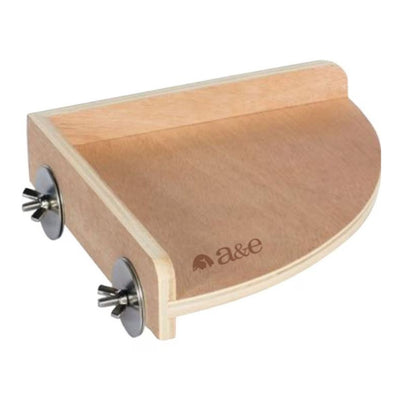
Platforms, ramps, and climbing structures add vertical dimension to enclosures, encouraging physical activity and providing additional usable space for species that naturally climb or explore at multiple levels. Wooden platforms with textured surfaces provide secure footing and a comfortable resting area at height, while ramps with grip rungs allow safe ascent and descent for species with limited jumping ability. For chinchillas and rats, multi-level climbing structures with rope elements, wooden bridges, and hanging accessories provide the physical challenge and variety these highly active species require. Platform height and ramp angle should be appropriate for the species - guinea pigs and rabbits require low, gently inclined ramps, while chinchillas and rats can navigate steeper angles and greater heights safely.
Exercise Wheels & Activity Accessories
Exercise wheels are essential for hamsters, gerbils, and mice, which require significant daily running distance to maintain physical health and prevent stress-related behaviors. A properly sized, solid-surface wheel with no crossbars - which can cause tail and limb injuries - is the most important single accessory for these species. Wheel diameter should be large enough to allow the pet to run with a straight or slightly arched back, preventing the spinal stress associated with wheels that are too small. For guinea pigs and rabbits, exercise balls, foraging mats, and activity boards provide physical and cognitive stimulation without the running wheel format that is not appropriate for these species. Activity accessories should be inspected regularly for wear and replaced when surfaces become rough or structural integrity is compromised.
Foraging & Enrichment Accessories
Foraging and enrichment accessories encourage natural food-seeking behavior, provide cognitive stimulation, and extend the time small pets spend actively engaged with their environment. Foraging mats, puzzle feeders, hay racks, and treat-dispensing accessories require pets to work for their food, mimicking the effort involved in natural foraging and reducing the boredom associated with food being immediately and freely available. Hay racks are particularly important for guinea pigs and rabbits, for whom unlimited hay access is a dietary necessity - a well-positioned hay rack keeps hay clean, dry, and accessible while encouraging the pet to adopt a natural grazing posture. Enrichment accessories should be rotated regularly to maintain novelty and prevent habituation.
Frequently Asked Questions
What materials are safe for small pet habitat accessories?
Untreated natural wood, food-grade BPA-free plastic, ceramic, and natural plant fibers such as seagrass, sisal, and hay are the safest materials for small pet habitat accessories. Avoid accessories made from treated or painted wood, materials with sharp edges or small detachable parts, and any product not specifically designed for small animal use. Always inspect accessories for chewing damage regularly and replace items that have developed sharp edges or structural weakness.
How often should I change or rotate habitat accessories?
Rotating habitat accessories every 2 to 4 weeks provides novelty and prevents habituation, keeping the enclosure environment stimulating for your pet. Full enclosure reconfiguration during deep cleaning is an ideal opportunity to rearrange accessories and introduce new items. Hideouts and tunnels should be cleaned weekly as part of routine enclosure maintenance, and any accessory showing significant chewing damage or structural wear should be replaced promptly.
What size exercise wheel does my hamster need?
Syrian hamsters require a wheel with a minimum diameter of 28 cm (11 inches) to run with a straight back and avoid spinal stress. Dwarf hamsters can use wheels as small as 20 cm (8 inches) in diameter. The wheel surface must be solid - mesh or barred surfaces can cause toe, foot, and tail injuries. Silent spinner designs are recommended to minimize noise during nocturnal activity. Always verify the wheel diameter is appropriate for your specific hamster's body size.
Are fabric tunnels safe for small pets that chew?
Fabric tunnels are generally not recommended for species that chew extensively, such as hamsters, gerbils, and chinchillas, as ingested fabric fibers can cause digestive obstruction. For these species, rigid plastic or natural seagrass tunnels are safer alternatives. Fabric tunnels are more appropriate for guinea pigs and rabbits, which are less likely to chew fabric aggressively, but should still be inspected regularly for damage and replaced if chewing begins.
How many hideouts does my small pet need?
In single-pet enclosures, one appropriately sized hideout is typically sufficient. In multi-pet enclosures, providing one hideout per animal plus one additional is recommended to prevent competition and resource guarding, particularly for species that are territorial around shelter. Guinea pigs and rabbits in bonded pairs often share a hideout willingly, but having multiple options reduces conflict and allows each animal to retreat independently when needed.
Shop Small Pet Habitat Accessories at Pets Perfect
Browse our full selection of small pet habitat accessories - hideouts and shelters, tunnels and tubes, platforms and climbing structures, exercise wheels, and foraging enrichment accessories - all selected for pet-safe materials, species-appropriate design, and functional enrichment value. Find the right accessories for your small pet's enclosure and create a habitat that supports natural behavior, physical health, and daily wellbeing.
Latest Small Pet Habitat Accessories Articles
No articles found for Small Pet Habitat Accessories right now. Please check back soon!