

Rabbit Proofing a Room: What to Cover, Block, and Move
A room-by-room proofing method for rabbit owners: why rabbits chew what they chew, the cord protocol that comes first, guards and decoy chews for baseboards and...
Shop the collection
1 products
Maintain your small animal's coat, nails, and overall hygiene with small pet grooming tools designed for the specific needs of rabbits, guinea pigs, hamsters, gerbils, chinchillas, and ferrets. Regular grooming is an essential part of small animal care - it reduces shedding, prevents matting, supports skin health, and gives you the opportunity to check for early signs of health issues. The right small animal grooming tools make the process comfortable for your pet and straightforward for you.
Small animals groom themselves regularly, but they still benefit from routine assistance from their owners. Long-haired breeds like Angora rabbits and Peruvian guinea pigs require frequent brushing to prevent tangles and matting that can trap moisture and cause skin irritation. Even short-haired species shed seasonally and benefit from regular brushing to remove loose fur and reduce the amount of hair ingested during self-grooming. Nail overgrowth is a common issue in small pets kept in soft-bedded enclosures, and untrimmed nails can curl, snag, or cause postural problems over time. Consistent small pet grooming supports hygiene, comfort, and early health detection across all small animal species.
The right grooming tools depend on your pet's species, coat type, and individual temperament. Consider the following before selecting products:
Brushes and combs are the foundation of any small pet grooming routine. Slicker brushes with fine, angled pins are effective for detangling and removing loose fur from medium to long coats. Wide-tooth combs work through knots in long-haired breeds without excessive pulling. Soft bristle brushes are suitable for short-haired species and for finishing after a deeper brush-out. Rubber grooming mitts are a gentle option for animals that resist traditional brushes, as the textured surface lifts loose fur through a petting motion. Choose a brush size proportionate to your pet's body to maintain control and comfort during grooming.
Nail trimmers for small animals are designed with small, sharp blades that make clean cuts without crushing the nail. Scissor-style trimmers offer precise control and are well-suited for rabbits, guinea pigs, and ferrets. Guillotine-style trimmers work well for smaller species like hamsters and gerbils where fine precision is needed. Always trim only the clear tip of the nail, avoiding the quick - the pink blood vessel visible in light-colored nails. For dark nails where the quick is not visible, trim small amounts at a time. Keep styptic powder on hand to stop bleeding if the quick is accidentally nicked.
Grooming wipes for small animals provide a quick, waterless hygiene solution for spot cleaning without the stress of a full bath. They are particularly useful for cleaning around the eyes, ears, and hindquarters, and for removing debris from the coat between grooming sessions. Choose wipes that are fragrance-free, alcohol-free, and formulated specifically for small animals. Wipes are an especially practical tool for species that should not be bathed in water, such as chinchillas, whose dense coats are prone to fungal issues when wet.
When bathing is appropriate for the species, small pet shampoos provide a gentle, pH-balanced formula that cleans without stripping natural coat oils. Rabbits and guinea pigs can be bathed occasionally when soiling requires it, using a mild, species-safe shampoo and warm water. Ferrets have a naturally higher bathing tolerance and benefit from shampoos formulated to manage their distinct coat odor. Always use shampoos specifically developed for small animals - human or dog shampoos have different pH levels and can cause skin irritation or coat damage in small pets.
Beyond brushes and nail trimmers, a complete small pet grooming kit may include ear cleaning tools, eye wipes, dental hygiene aids, and grooming scissors for trimming fur around sensitive areas. Ear cleaning solutions and cotton pads help maintain ear hygiene in species prone to wax buildup. Blunt-tipped grooming scissors allow safe trimming of fur around the eyes, feet, and hindquarters without the risk of injury. These targeted hygiene tools complement regular brushing and nail care to support full-body cleanliness and comfort.
Grooming frequency depends on the species and coat type. Long-haired rabbits and guinea pigs benefit from daily brushing to prevent matting. Short-haired species typically require weekly brushing, with more frequent sessions during seasonal shedding periods. Nail trimming is generally needed every four to six weeks, though this varies by individual animal and habitat surface type.
Bathing suitability varies by species. Guinea pigs and ferrets can be bathed occasionally using species-safe shampoo and warm water. Rabbits should only be bathed when absolutely necessary, as the stress of bathing can be harmful and wet fur takes a long time to dry, increasing the risk of hypothermia. Chinchillas should never be bathed in water - they require dust baths using chinchilla-specific bathing dust to maintain their coat. Always research your specific species before introducing any bathing routine.
Use small animal-specific nail trimmers and work in good lighting. Trim only the clear tip of the nail, well clear of the pink quick. For dark nails, trim in very small increments. Wrap your pet securely in a towel to minimize movement during trimming. If you are uncertain, ask a veterinarian or experienced groomer to demonstrate the technique before attempting it at home.
For nervous or handling-sensitive animals, start with soft rubber grooming mitts or grooming wipes, which feel more like petting than traditional grooming. Introduce brushes gradually, beginning with short sessions and rewarding calm behavior. Avoid wire slicker brushes with sharp tips on animals with thin or sensitive skin. Always choose tools labeled specifically for small animals rather than repurposing tools designed for cats or dogs.
Yes. Chinchillas have extremely dense coats that require dust baths rather than water baths to stay clean and healthy. Chinchilla bathing dust is a fine volcanic ash powder that absorbs oils and debris from the coat without moisture. Provide a dust bath two to three times per week in a container large enough for your chinchilla to roll in comfortably. Brushing is rarely needed for chinchillas but a wide-tooth comb can be used gently if matting occurs.
Browse our full selection of small pet grooming tools and small animal grooming products to find the right brushes, nail trimmers, wipes, and hygiene accessories for your pet's species, coat type, and care routine. Every product is selected to support comfortable, effective grooming for small animals at every life stage.
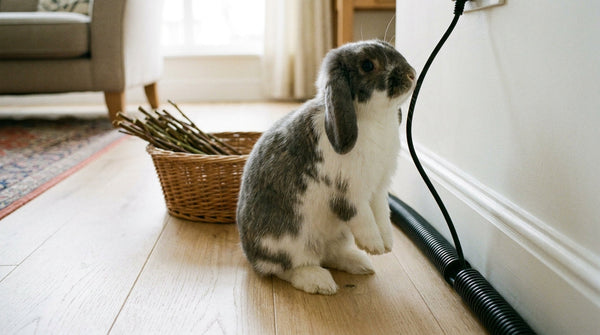
A room-by-room proofing method for rabbit owners: why rabbits chew what they chew, the cord protocol that comes first, guards and decoy chews for baseboards and...
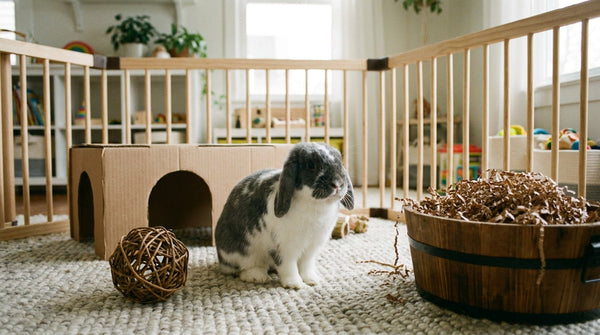
A cross-species guide to small pet play: why chewing is dental equipment rather than a treat, what each species actually uses, the wheel rules that prevent...
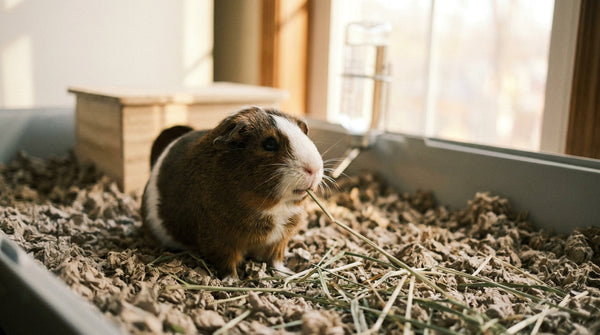
An orientation to small pet care across the whole aisle: the five things every small animal needs, a plain profile of each of the seven species,...
Sign up for our newsletter to be the first to learn about new arrivals, special promotions, and online exclusives.
*By submitting this form, you agree to receive our emails and may unsubscribe at any time.