Shop the collection
Small Pet Food & Treats
- 30-day easy returns
- Fast US delivery from multiple warehouses
- Secure checkout: Shop Pay, PayPal, Amazon Pay, Google Pay
Small Pet Food & Treats - Pellets, Hay, Seed Mixes & Nutritious Treats
Small animals have precise nutritional requirements that vary significantly by species, digestive system, and life stage. Providing the right small pet food - whether a complete pellet formula, a species-appropriate seed mix, unlimited timothy hay, or a targeted treat - is the single most important factor in maintaining long-term health, healthy weight, and digestive function in animals such as rabbits, guinea pigs, hamsters, gerbils, chinchillas, and rats. This collection covers the full range of food and treat options for small animals, with guidance on selecting the right products for your specific pet's dietary needs.
Why Small Pet Nutrition Matters
Small animals have fast metabolisms, sensitive digestive systems, and in many cases, highly specific dietary requirements that cannot be met by generic or inappropriate food choices. Rabbits and guinea pigs are strict herbivores whose digestive health depends on continuous access to high-fiber hay - without it, gut motility slows and gastrointestinal stasis, a life-threatening condition, can develop rapidly. Guinea pigs cannot synthesize vitamin C and require dietary supplementation through fresh food or fortified pellets to prevent scurvy. Hamsters and gerbils are omnivores that require a more varied diet including seeds, grains, and occasional protein sources. Feeding food for small animals that does not match the species' natural dietary profile leads to obesity, nutritional deficiencies, dental disease, and shortened lifespan - all of which are largely preventable with appropriate food selection.
Benefits of Species-Appropriate Small Pet Food
- Supports healthy digestion through fiber-appropriate formulations that maintain gut motility and prevent digestive disruption in sensitive small animal species
- Provides complete and balanced nutrition through pellet formulas designed to meet the full macro and micronutrient requirements of specific species and life stages
- Maintains healthy dental wear through hay, fibrous pellets, and appropriate chew-texture foods that support continuous tooth wear in species with open-rooted teeth
- Prevents obesity and selective feeding by offering nutritionally complete options that reduce the tendency to selectively eat high-fat or high-sugar components from mixed diets
- Supports immune function and coat condition through diets balanced in essential fatty acids, vitamins, and minerals appropriate to the species
- Provides enrichment through feeding variety with treats and foraging foods that add behavioral engagement to the daily feeding routine
- Accommodates life stage requirements with formulas suited to juvenile, adult, and senior small animals whose nutritional needs change over time
How to Choose Small Pet Food
Selecting the right food for small animals starts with understanding the species' natural diet and digestive physiology. Key factors to evaluate include:
- Species dietary classification - herbivores (rabbits, guinea pigs, chinchillas) require high-fiber, plant-based diets with unlimited hay as the dietary foundation; omnivores (hamsters, gerbils, rats) require a broader mix of grains, seeds, and protein sources
- Ingredient quality and composition - look for named, recognizable ingredients; avoid foods with excessive added sugars, artificial colors, or fillers that provide calories without nutritional value
- Pellet vs. mix format - complete pellet formulas prevent selective feeding and ensure consistent nutrient intake; seed and grain mixes offer variety but allow animals to selectively eat preferred components while leaving nutritionally important elements
- Life stage appropriateness - juvenile animals require higher protein and calcium for growth; adult maintenance formulas are lower in calories; senior formulas may be adjusted for reduced activity levels and age-related health considerations
- Vitamin C content for guinea pigs - guinea pigs require 10-30mg of vitamin C daily; select pellets with stabilized vitamin C and supplement with fresh vegetables, as vitamin C degrades rapidly in stored food
- Treat frequency and composition - treats should constitute no more than 5-10% of the daily diet; select treats with recognizable ingredients and avoid those with added sugar, honey, or yogurt coatings that contribute to obesity and dental disease
Types of Small Pet Food and Treats
Pellet Food
Complete pellet formulas are the most nutritionally reliable foundation food for most small pet species. Each pellet contains a consistent blend of nutrients, preventing the selective feeding behavior that occurs with loose mixes where animals eat preferred components and leave behind nutritionally important ingredients. High-quality small animal pellets are formulated to species-specific requirements - rabbit pellets are high in fiber and low in protein and fat; guinea pig pellets include stabilized vitamin C; hamster and gerbil pellets incorporate a broader macronutrient profile suited to omnivorous digestive systems. Pellets should be offered in measured quantities appropriate to the animal's size and activity level, with unlimited hay provided alongside for herbivorous species. Replace pellets regularly as vitamin content degrades over time, particularly vitamin C in guinea pig formulas.
Seed Mixes
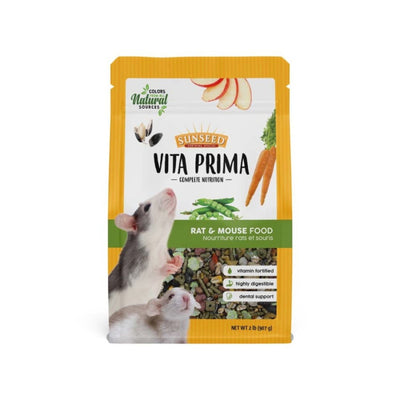
Seed and grain mixes provide dietary variety and foraging enrichment for omnivorous small pet species including hamsters, gerbils, and rats. A well-formulated mix includes a balanced combination of seeds, grains, dried vegetables, and occasional protein components that together approximate the varied diet these species consume in the wild. The primary limitation of seed mixes is selective feeding - animals consistently choose high-fat seeds such as sunflower seeds while leaving behind less palatable but nutritionally important components. To mitigate this, offer mixes in quantities that are fully consumed before the next feeding, preventing selective accumulation of preferred items. Seed mixes are not appropriate as the primary diet for strict herbivores such as rabbits and guinea pigs, for whom high seed and fat content contributes to obesity and digestive disruption.
Hay and Forage
Hay is the dietary cornerstone for all herbivorous small pet species and should be available in unlimited quantities at all times. Timothy hay is the standard recommendation for adult rabbits, guinea pigs, and chinchillas - it is high in fiber, low in calcium, and supports the continuous gut motility that these species require for digestive health. Orchard grass hay offers a softer texture and slightly different flavor profile that encourages hay consumption in animals that are reluctant to eat timothy. Meadow hay provides botanical variety through a mix of grasses and dried herbs. Alfalfa hay is high in calcium and protein and is appropriate for juvenile animals under six months and pregnant or nursing females, but should not be the primary hay for healthy adult herbivores due to its high calcium content, which contributes to urinary sludge and bladder stones over time. Hay should be fresh, sweet-smelling, and free of dust and mold.
Dried Treats
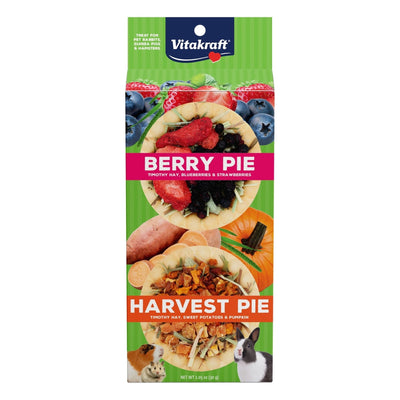
Dried treats provide supplemental feeding variety and behavioral enrichment without the spoilage concerns of fresh food. Dried fruit pieces, vegetable chips, herb blends, and dried flower mixes are popular options that appeal to a wide range of small pet species. When selecting dried treats, prioritize single-ingredient or short-ingredient options without added sugar, sulfites, or artificial preservatives. Dried fruit in particular is calorie-dense due to concentrated natural sugars and should be offered in small quantities - a single piece of dried apple or papaya is an appropriate portion for most small animals. Herb-based dried treats including dried chamomile, rose petals, and dandelion leaf are low in calories and high in palatability, making them suitable for more frequent use as foraging enrichment scattered through the habitat or hay pile.
Functional Treats
Functional treats are formulated to provide a specific nutritional or health benefit beyond basic caloric supplementation. This category includes vitamin C-enriched treats for guinea pigs, probiotic treats that support digestive health during periods of dietary change or stress, dental support treats with fibrous textures that promote tooth wear, and prebiotic fiber supplements that support gut microbiome balance. Functional treats are most effective when used consistently as part of a structured feeding routine rather than sporadically. They are not a substitute for a nutritionally complete primary diet but serve as a practical tool for addressing specific nutritional gaps or supporting health during life stage transitions, recovery, or seasonal dietary changes. Always verify that functional treat ingredients are appropriate for your specific species before use.
Frequently Asked Questions
How much hay should I feed my rabbit or guinea pig?
Hay should make up approximately 80% of a rabbit's diet and be available in unlimited quantities at all times. Guinea pigs similarly require constant access to hay as the foundation of their diet. A general guideline is to provide a hay portion at least the size of the animal's body daily, replenishing as consumed. There is no upper limit - overconsumption of hay is not a concern for herbivorous small animals.
Can I feed my hamster rabbit food?
No. Rabbit food is formulated for strict herbivores with high fiber requirements and is not nutritionally appropriate for hamsters, which are omnivores requiring a broader macronutrient profile including seeds, grains, and protein. Feeding species-inappropriate food leads to nutritional deficiencies over time. Always select food formulated specifically for your pet's species.
How often should I give my small pet treats?
Treats should be offered no more than once daily and should constitute no more than 5-10% of the total daily diet by volume. For most small animals, this equates to a very small quantity - a single piece of dried fruit, a pinch of dried herbs, or one small commercial treat. Overfeeding treats contributes to obesity, selective feeding behavior, and in some species, dental disease and digestive disruption.
Do guinea pigs need vitamin C supplements in addition to pellets?
Guinea pigs require 10-30mg of vitamin C daily and cannot synthesize it internally. While high-quality guinea pig pellets contain stabilized vitamin C, the vitamin degrades rapidly after the bag is opened - within 90 days of manufacture for most formulas. Fresh vitamin C-rich vegetables such as bell pepper, kale, and parsley should be offered daily alongside pellets to ensure consistent intake. Vitamin C drops added to water are less reliable as the vitamin degrades quickly in water and animals may reduce water intake due to taste changes.
What is the difference between timothy hay and alfalfa hay?
Timothy hay is a grass hay that is high in fiber and low in calcium and protein, making it appropriate as the primary hay for healthy adult rabbits, guinea pigs, and chinchillas. Alfalfa is a legume hay that is significantly higher in calcium, protein, and calories - it is appropriate for juvenile animals under six months and breeding females with elevated nutritional demands, but should not be the primary hay for healthy adult herbivores as excess calcium contributes to urinary tract problems over time.
How should I store small pet food to maintain freshness?
Pellets and seed mixes should be stored in airtight containers away from heat, humidity, and direct light. Purchase quantities that will be consumed within 4-6 weeks of opening to minimize nutrient degradation, particularly vitamin C in guinea pig formulas. Hay should be stored in a cool, dry, well-ventilated location - avoid airtight storage for hay as it requires airflow to prevent mold development. Discard any food that smells musty, shows signs of moisture, or has visible mold.
Shop Small Pet Food, Hay & Treats for Every Species
The right food is the foundation of every small animal's health, behavior, and longevity. Every product in this collection is selected to provide species-appropriate nutrition, quality ingredients, and practical feeding options for rabbits, guinea pigs, hamsters, gerbils, chinchillas, rats, and other small pets. Browse the full range of small pet food, hay, seed mixes, and treats to build a feeding routine that supports your pet's health at every life stage.
Latest Small Pet Food & Treats Articles
No articles found for Small Pet Food & Treats right now. Please check back soon!