
Shop the collection
Cat Grooming & Hygiene
- 30-day easy returns
- Fast US delivery from multiple warehouses
- Secure checkout: Shop Pay, PayPal, Amazon Pay, Google Pay


Cat Grooming & Hygiene Products
Maintain your cat's coat, skin, and cleanliness with grooming and hygiene products built for regular, effective care. Our cat grooming collection covers every aspect of at-home maintenance - from daily brushing and deshedding to bathing, ear cleaning, and quick hygiene between washes. Whether you have a short-haired kitten or a long-haired adult cat, consistent grooming supports coat health, reduces shedding, prevents matting, and keeps your cat comfortable year-round.
Why Cat Grooming & Hygiene Matter
Cats are naturally self-grooming animals, but self-grooming alone is not sufficient to maintain full coat and skin health - particularly in long-haired breeds, heavy shedders, or cats with limited mobility. Without regular brushing, loose fur accumulates and forms mats that pull on the skin, cause discomfort, and can lead to skin irritation or infection beneath the surface. Ingested fur from self-grooming also contributes to hairball formation, which regular brushing directly reduces by removing loose coat before it is swallowed.
Hygiene maintenance beyond coat care - including ear cleaning, eye area wiping, and occasional bathing - prevents the buildup of debris, wax, and bacteria that can lead to infections if left unaddressed. Establishing a consistent grooming routine from kittenhood also builds tolerance and trust, making the process easier and less stressful for both cat and owner throughout the cat's life.
Benefits of Regular Cat Grooming
- Shedding control - Regular brushing removes loose fur before it ends up on furniture, clothing, and floors, significantly reducing household shedding.
- Hairball reduction - Removing loose coat through brushing reduces the amount of fur ingested during self-grooming, lowering the frequency of hairball formation.
- Mat prevention - Consistent combing and brushing prevents tangles from developing into mats, which are painful and often require professional or veterinary intervention to remove safely.
- Skin health - Brushing stimulates natural oil distribution across the coat, supporting skin moisture and a healthy, lustrous appearance.
- Early health detection - Regular grooming sessions allow you to check for lumps, skin irritation, parasites, or coat changes that may indicate underlying health concerns.
- Bonding - Gentle, consistent grooming builds trust and strengthens the relationship between cat and owner, particularly when introduced gradually from a young age.
How to Choose Cat Grooming & Hygiene Products
The right products depend on your cat's coat type, skin sensitivity, grooming tolerance, and specific hygiene needs. Key factors to consider:
- Coat length and type - Short-haired cats require less frequent brushing and do well with rubber grooming gloves or soft bristle brushes. Long-haired cats need wide-tooth combs, slicker brushes, and deshedding tools to manage volume and prevent matting. Double-coated breeds benefit from undercoat-specific deshedding tools.
- Shedding level - Heavy shedders benefit from dedicated deshedding tools used weekly or more frequently during seasonal coat changes. Light shedders may only need a basic brush for maintenance.
- Skin sensitivity - Cats with sensitive skin require soft-bristle tools and gentle, fragrance-free shampoos or wipes. Avoid stiff metal pins without protective tips on fine-skinned cats.
- Grooming tolerance - Cats new to grooming or with low tolerance do better with shorter sessions using gentler tools such as grooming gloves, which mimic the sensation of petting. Build up to more thorough tools gradually.
- Specific hygiene needs - Cats prone to ear wax buildup, tear staining, or skin fold debris require targeted hygiene products beyond standard coat care tools.
- Life stage - Kittens need smaller, softer tools. Senior cats with reduced flexibility may need more frequent grooming assistance in areas they can no longer reach comfortably.
Types of Cat Grooming & Hygiene Products
Brushes & Combs
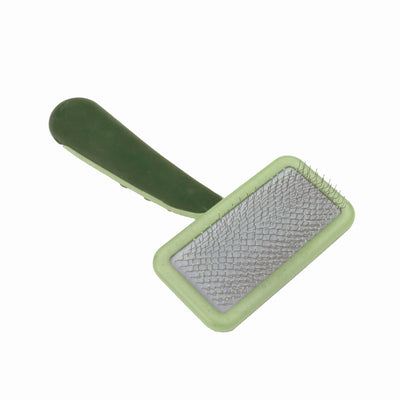
The foundation of any cat grooming routine. Slicker brushes with fine wire pins are effective for removing loose fur and light tangles across most coat types. Bristle brushes are gentler and well-suited for short-haired cats or finishing after a deeper brush. Wide-tooth combs are essential for long-haired cats to work through tangles without pulling. Grooming gloves provide a low-stress alternative for cats that resist traditional brushes, collecting loose fur through gentle petting motions. Use brushes and combs at least two to three times per week for most cats, and daily for long-haired breeds.
Deshedding Tools
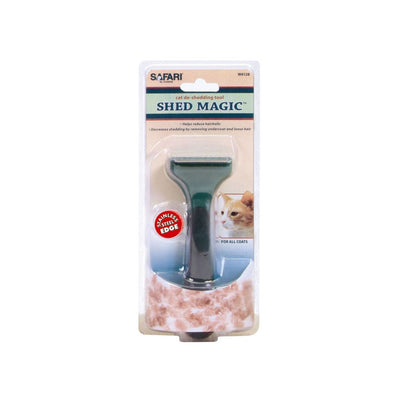
Designed to reach the undercoat and remove loose, dead fur before it sheds naturally. Deshedding tools use fine, closely spaced teeth or blades to pull through the topcoat and collect undercoat fur efficiently. Most effective during seasonal shedding periods in spring and autumn. Used correctly, deshedding tools can reduce shedding by up to 90% compared to standard brushing alone. Not recommended for use on already-matted coats - mats should be gently worked out with a comb before deshedding.
Cat Shampoos
Formulated specifically for feline skin pH, which differs from human and dog skin. Cat shampoos clean the coat and skin without stripping natural oils or causing irritation. Available in standard rinse-off formulas, waterless foam and spray options for cats that resist bathing, and medicated formulas for specific skin conditions. Most cats do not require frequent bathing - occasional baths when the coat is heavily soiled or as part of a flea treatment protocol are the most common use cases. Always use cat-specific formulas; human shampoos and dog shampoos are not safe for cats.
Grooming Wipes
Pre-moistened wipes designed for quick, targeted cleaning between full grooming sessions. Useful for wiping down the coat to remove surface dirt and dander, cleaning around the face and paws, and freshening the coat without water. Particularly practical for cats that resist bathing or for spot-cleaning after outdoor exposure. Choose fragrance-free, alcohol-free formulas designed specifically for cats to avoid skin irritation.
Ear & Eye Cleaning
Targeted hygiene products for maintaining cleanliness in sensitive areas. Ear cleaning solutions dissolve wax and debris buildup in the outer ear canal, reducing the risk of infection. Apply to a cotton ball or pad - never insert directly into the ear canal. Eye cleaning wipes and solutions remove tear staining and discharge from the eye area, particularly important in flat-faced breeds such as Persians and Exotic Shorthairs that are prone to excessive tearing. Use only products formulated specifically for cats in these sensitive areas.
Frequently Asked Questions
How often should I brush my cat?
Short-haired cats benefit from brushing two to three times per week. Long-haired cats should be brushed daily to prevent matting and manage shedding. During seasonal coat changes in spring and autumn, increase brushing frequency for all coat types to manage the higher volume of loose fur.
Do cats need baths?
Most cats maintain adequate cleanliness through self-grooming and do not require regular baths. Bathing is typically needed when a cat's coat becomes heavily soiled, as part of a flea treatment protocol, or for certain skin conditions as directed by a veterinarian. When bathing is necessary, always use a shampoo formulated specifically for cats.
What is the best brush for a long-haired cat?
Long-haired cats benefit most from a combination of a wide-tooth comb for working through tangles and a slicker brush for finishing and removing loose fur. A deshedding tool used weekly helps manage undercoat volume. Always work through any tangles with the comb before using a slicker brush or deshedding tool to avoid pulling on matted fur.
How do I clean my cat's ears safely?
Apply a cat-specific ear cleaning solution to a cotton ball or pad and gently wipe the visible outer ear area. Never insert cotton swabs or any object into the ear canal. Clean only when you can see visible wax or debris buildup. If you notice redness, odor, excessive scratching at the ears, or dark discharge, consult a veterinarian before cleaning, as these may indicate an infection requiring treatment.
Can I use human grooming products on my cat?
No. Human shampoos, conditioners, and wipes are formulated for human skin pH and often contain fragrances, preservatives, or ingredients that are irritating or toxic to cats. Always use products specifically formulated and labeled safe for cats. This applies to shampoos, ear cleaners, eye wipes, and any product applied to the skin or coat.
How do I get my cat used to being groomed?
Introduce grooming gradually, starting with short sessions of just a few minutes. Begin with the areas your cat is most comfortable being touched - typically the back and sides - before moving to more sensitive areas like the belly, paws, and face. Use gentle tools initially, such as a grooming glove, and pair each session with positive reinforcement. Consistency is more important than duration - short, frequent sessions build tolerance faster than infrequent long ones.
Find the Right Grooming Products for Your Cat
Browse our full collection of cat grooming and hygiene products to find the right tools for your cat's coat type, skin needs, and grooming routine. Whether you are establishing a first grooming routine with a kitten or managing the coat of a long-haired adult, our range covers every need - built for effective, gentle, and consistent at-home care.