
Shop the collection
Dog Bones & Bone Chews
- 30-day easy returns
- Fast US delivery from multiple warehouses
- Secure checkout: Shop Pay, PayPal, Amazon Pay, Google Pay
102 products · Page 5 of 5


Dog Bones & Bone Chews
Dog bones and bone chews are among the most instinct-driven chews available for dogs. Real bone chews - including marrow bones, knuckle bones, and recreational bones - deliver structural hardness, natural mineral content, and long-lasting chewing engagement that few other chews can match. Whether your dog is a light nibbler or a determined power chewer, the right bone chew supports healthy gnawing behavior while keeping them occupied and satisfied.
Why Bone Chews Matter
Dogs are natural chewers. Gnawing on dense, bone-based chews satisfies deep-rooted instinctual behavior while providing functional benefits that go beyond simple entertainment. Real bone chews offer a chewing experience grounded in structure, density, and natural composition - qualities that soft or synthetic chews simply cannot replicate.
- Long-lasting engagement - Dense bone structure resists rapid consumption, keeping dogs focused and occupied for extended sessions
- Natural mineral content - Real bones contain calcium and phosphorus naturally present in the bone matrix
- Instinctual gnawing satisfaction - Bone chews engage a dog's natural drive to gnaw, reducing destructive chewing behavior
- Structural hardness - Recreational bones provide resistance that challenges heavy chewers without breaking apart quickly
- Marrow enrichment - Marrow bones offer a natural fat and nutrient-rich core that adds palatability and chewing motivation
How to Choose the Right Dog Bone Chew
Selecting the correct bone chew for your dog requires matching size, density, and chewing intensity to avoid safety risks and maximize chewing benefit.
- Match bone size to dog size - The bone should always be larger than your dog's mouth. A bone that fits entirely in the mouth is a choking hazard
- Match density to chewing style - Aggressive power chewers need denser, harder bones. Moderate chewers can handle softer marrow bones
- Avoid bones that are too hard - Bones harder than the dog's teeth can cause tooth fractures. Weight-bearing leg bones from large animals (e.g., femur shafts) may be too dense for some dogs
- Always supervise - No bone chew is unsupervised-safe. Monitor your dog throughout every chewing session
- Discard when small - Remove and replace any bone chew once it has been chewed down to a size that could be swallowed whole
- Consult your veterinarian - Dogs with dental sensitivities, digestive conditions, or prior chewing injuries should be cleared by a vet before introducing bone chews
Types of Dog Bones & Bone Chews
Marrow Bones
Marrow bones are cross-cut sections of large beef leg bones filled with a natural marrow core. The marrow provides a rich, palatable center that motivates dogs to chew and lick, while the surrounding bone structure offers durable resistance. Marrow bones are best suited for medium to large dogs and should always be given under supervision. They are typically softer than solid recreational bones, making them appropriate for moderate chewers.
Recreational Bones
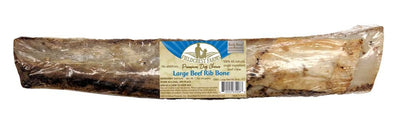
Recreational bones are large, uncut or minimally processed beef bones intended for extended chewing sessions rather than full consumption. They are selected for their size, density, and structural integrity. Recreational bones for dogs are ideal for heavy chewers who need a long-lasting outlet. These bones are not meant to be fully consumed - they are chewing tools designed to withstand repeated gnawing over multiple sessions.
Knuckle Bones
Knuckle bones are the joint-end sections of beef bones, characterized by a cartilage-rich exterior and a denser bone core. The cartilage layer provides an accessible chewing surface that dogs can work through progressively, while the underlying bone offers lasting resistance. Knuckle bones are well-suited for medium to large dogs and are among the most popular recreational bones for dogs due to their natural shape and chewing complexity.
Split Bones
Split bones are marrow bones cut lengthwise to fully expose the marrow channel. This format makes the marrow immediately accessible, reducing the time a dog spends working to reach the center. Split bones are a good option for dogs that are new to bone chews or for dogs that need extra motivation to engage. Because the marrow is fully exposed, split bones tend to be consumed more quickly than whole marrow bones and require closer supervision.
Frequently Asked Questions
Are raw or cooked bones safer for dogs?
Raw bones are generally considered safer than cooked bones. Cooking changes the bone's structural integrity, making it more likely to splinter into sharp fragments that can injure a dog's mouth, throat, or digestive tract. Always choose raw or commercially prepared bone chews that have been processed specifically for canine consumption.
How long should I let my dog chew a bone?
Most veterinary guidance recommends limiting bone chew sessions to 10-15 minutes at a time, especially for dogs new to bone chews. Extended sessions increase the risk of digestive upset from marrow fat and can accelerate tooth wear. Refrigerate the bone between sessions and discard after a few days.
Can puppies have bone chews?
Puppies have developing teeth and jaws that are more vulnerable to fracture and injury. Bone chews are generally not recommended for puppies under 6 months. For older puppies, consult your veterinarian before introducing any bone chew and always choose appropriately sized, softer options.
What size bone is right for my dog?
As a general rule, the bone should be larger than your dog's head. For small dogs (under 25 lbs), look for smaller-cut marrow or knuckle bones. For medium dogs (25-60 lbs), standard marrow and knuckle bones are appropriate. For large and giant breeds (60+ lbs), full-size recreational bones and large knuckle bones provide the right scale and density.
How do I store bone chews between sessions?
Refrigerate raw bone chews in a sealed container between sessions. Discard any bone chew that has developed an off smell, visible mold, or has been chewed down to a size that could be swallowed. Do not leave bone chews at room temperature for extended periods.
Are bone chews the same as bully sticks or tendons?
No. Dog bones and bone chews are structurally distinct from meat-based chews like bully sticks, tendons, or trachea. Bone chews are defined by their hard, mineralized bone structure and are selected for density and chewing durability. Meat-based chews are softer and consumed more quickly. Each serves a different chewing need.
Shop Dog Bones & Bone Chews at Pets Perfect
Browse our selection of real dog bones and bone chews - including marrow bones, knuckle bones, split bones, and recreational bones for dogs of all sizes. Every product in this collection is selected for structural quality, sourcing integrity, and chewing safety. Find the right bone chew for your dog's size, chewing style, and engagement needs.