
Shop the collection
Halters & Lead Ropes
- 30-day easy returns
- Fast US delivery from multiple warehouses
- Secure checkout: Shop Pay, PayPal, Amazon Pay, Google Pay
Related Searches
Horse Halters & Lead Ropes
Horse halters and lead ropes are the foundation of safe, everyday horse handling. From leading out of the stall to tying at the grooming area, loading into a trailer, or securing during turnout, the right halter and lead rope give you reliable control while keeping your horse comfortable. This collection includes options in nylon, leather, and rope construction, with lead ropes and clips suited for routine handling, training, and transport.
Why Halters & Lead Ropes Matter
A halter that fits poorly can slip, rub, or fail under pressure - creating safety risks for both horse and handler. A lead rope with a weak clip or inadequate length limits your control and increases the chance of accidents during handling. Quality halters distribute pressure correctly across the nose, poll, and jaw without restricting breathing or causing rub points. Paired with a well-made lead rope and reliable snap, they give you consistent, predictable control in any handling situation.
Benefits of the Right Halter & Lead Rope
- Provides secure, reliable control during leading, tying, and ground work
- Distributes pressure evenly to minimize discomfort and rub points
- Adjustable fit accommodates different head sizes and shapes
- Durable hardware and materials hold up to daily use and outdoor conditions
- Correct clip type and rope weight improve handler safety and response
- Breakaway options reduce injury risk during turnout and tying
How to Choose the Right Halter & Lead Rope
Start with your horse's size - halters are typically sized from weanling through draft, and a proper fit means the noseband sits two fingers below the cheekbone with no gaps at the jaw. Consider your primary use: everyday turnout and leading calls for a durable nylon or leather halter, while training and groundwork may benefit from a rope halter that applies more precise pressure. For lead ropes, match the length and weight to your use - shorter ropes for leading and tying, longer lines for groundwork and liberty work. Check clip strength and ease of release, particularly if you tie your horse regularly or work in high-movement situations.
Types of Halters & Lead Ropes
Nylon Halters
Nylon halters are the most widely used everyday halter, valued for their durability, affordability, and ease of cleaning. They are available in a wide range of sizes and colors, with adjustable chin and crown pieces to accommodate different head shapes. Nylon is weather-resistant and holds up well to turnout, grooming, and daily handling. Breakaway nylon halters include a leather or fuse crown piece designed to release under extreme pressure, reducing injury risk if a horse pulls back while tied or caught on a fence.
Leather Halters
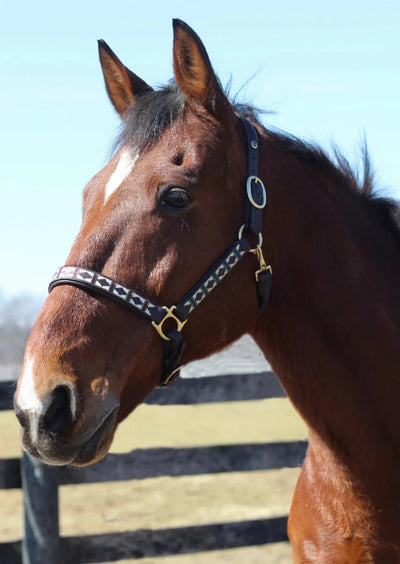
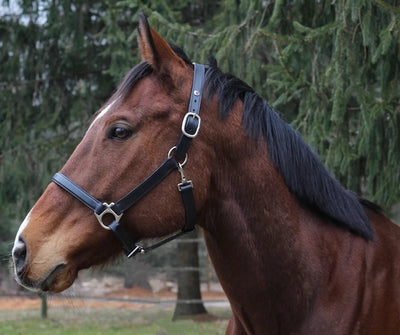
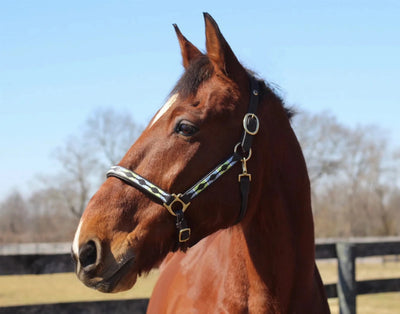
Leather halters are the traditional choice for showing, barn use, and horses that wear a halter for extended periods. Quality leather conforms to the horse's head over time, distributes pressure softly, and is less likely to cause rub marks than stiff synthetic materials. Leather halters are naturally breakaway under sufficient force, making them a safer option for horses left in turnout. They require regular cleaning and conditioning to maintain suppleness and prevent cracking.
Rope Halters
Rope halters are made from a single length of knotted cord and apply more precise, concentrated pressure at specific points on the horse's head - making them a preferred tool for groundwork, natural horsemanship, and training. They have no hardware, which eliminates the risk of buckle failure, and they fit close to the head for clear communication. Rope halters are not recommended for unattended turnout or tying, as they do not break away under pressure and can cause injury if a horse becomes caught.
Lead Ropes with Snap
Standard lead ropes with a bolt snap or panic snap are the everyday choice for leading, tying, and grooming. Bolt snaps are secure and easy to attach; panic snaps release quickly under pressure and are recommended for horses that pull back when tied. Lead rope diameter and material affect handler grip and rope weight - cotton and yacht rope are common, with cotton offering softness and yacht rope providing durability and water resistance. Standard lengths range from 10 to 12 feet for general use.
Training Lead Ropes
Training lead ropes are longer - typically 14 to 22 feet - and are used for groundwork, lunging at close range, and liberty exercises. They are often made from yacht rope or biothane for durability and ease of handling. Some training leads include a weighted end or a built-in popper for use as a training aid. The added length gives the handler more control over distance and direction during ground training sessions.
Frequently Asked Questions
How should a horse halter fit?
The noseband should sit approximately two fingers below the horse's cheekbone and allow two fingers of clearance between the noseband and the nose. The chin piece should not press tightly against the jaw. The crown piece should sit comfortably behind the ears without pulling forward or sitting too far back on the poll. A well-fitted halter stays in place without shifting during normal movement.
What is a breakaway halter and when should I use one?
A breakaway halter includes a section - usually the crown piece - made from leather or a fuse material designed to snap under extreme pressure. This allows the halter to release if a horse becomes caught on a fence, feeder, or other object during turnout. Breakaway halters are strongly recommended for horses left unattended in a field or stall while wearing a halter.
What is the difference between a bolt snap and a panic snap?
A bolt snap is the standard clip on most lead ropes - it attaches securely and releases by sliding a barrel back. A panic snap releases by pulling a ring or lever and is designed to open quickly even under tension, making it safer for horses that pull back when tied. Panic snaps are recommended for cross-tying and for horses with a history of pulling back.
Can I leave a rope halter on during turnout?
Rope halters are not recommended for unattended turnout. Unlike leather or breakaway nylon halters, rope halters do not release under pressure and can cause serious injury if a horse becomes caught. Use a breakaway nylon or leather halter for turnout and reserve rope halters for supervised groundwork and training sessions.
What length lead rope do I need?
A 10 to 12-foot lead rope covers most everyday tasks including leading, tying, and grooming. For groundwork, liberty work, or training exercises that require more distance between horse and handler, a 14 to 22-foot training lead provides the additional length needed for effective communication and movement.
Shop Horse Halters & Lead Ropes
Browse our full selection of horse halters and lead ropes - built for safe, reliable handling across everyday barn use, turnout, grooming, and ground training. Filter by material, size, or style to find the right fit for your horse and your handling routine.