
Shop the collection
No Pull Dog Harnesses
- 30-day easy returns
- Fast US delivery from multiple warehouses
- Secure checkout: Shop Pay, PayPal, Amazon Pay, Google Pay
30 products · Page 2 of 2



Related Searches
No Pull Dog Harnesses
No pull dog harnesses are behavior-focused walking harnesses engineered to discourage pulling by redistributing leash pressure across the chest and shoulders rather than the neck. Whether you have a reactive puller, a dog in early leash training, or a strong breed that overwhelms standard gear, a properly fitted no-pull harness gives you immediate control without choking, gagging, or neck strain. Every harness in this collection is selected for its front-clip or dual-clip design, adjustable fit, and comfort-forward construction built for daily walks.
Why No-Pull Harnesses Matter
Standard back-clip harnesses and flat collars concentrate leash force at a single point - the back or the neck - which can reinforce pulling behavior and cause tracheal stress over time. No-pull harnesses work differently. By attaching the leash at the chest or sternum, they redirect a pulling dog back toward the handler, naturally interrupting the forward momentum that reinforces the behavior. The result is a calmer, more manageable walk without relying on aversive corrections.
For dogs in active leash training, the front-clip design creates a consistent feedback loop: pull forward, get redirected sideways. Over time, most dogs learn that walking beside their handler is simply easier. For handlers managing larger or stronger dogs, the pressure distribution across the chest and shoulders reduces the physical strain on both ends of the leash.
Benefits of No-Pull Dog Harnesses
- Redirects pulling behavior - Front and dual-clip attachment points steer dogs back toward the handler instead of allowing forward momentum to build
- Eliminates neck and tracheal strain - Pressure is distributed across the chest and shoulders, not concentrated at the throat
- Supports leash training - Consistent physical feedback helps dogs learn loose-leash walking faster than back-clip alternatives
- Improved handler control - Especially effective for strong pullers, reactive dogs, and large breeds
- Adjustable, secure fit - Multiple adjustment points prevent slipping and accommodate a wide range of body shapes
- Comfort padding - Lined chest plates and padded straps reduce chafing during extended walks
- Versatile sizing - Available in small, medium, and large configurations to fit breeds from terriers to large working dogs
How to Choose the Right No-Pull Harness
The right harness depends on your dog's size, pulling intensity, and how far along they are in leash training. Consider the following before selecting:
- Pulling intensity - Mild pullers often do well with a padded front-clip harness. Strong, persistent pullers benefit from a dual-clip system that allows both front and back attachment for added control
- Dog size and body shape - Deep-chested breeds need wider chest plates; narrow-chested dogs need snug, adjustable straps that won't shift during movement
- Training stage - Dogs early in leash training benefit most from front-clip designs that provide immediate directional feedback. More advanced dogs may transition to dual-clip for flexibility
- Walk duration and frequency - For long daily walks, prioritize padded chest and belly straps to prevent chafing and pressure sores
- Ease of fitting - Step-in harnesses are ideal for dogs that resist overhead gear; overhead designs typically offer more adjustment points for a precise fit
Types of No-Pull Dog Harnesses
Front-Clip Harnesses
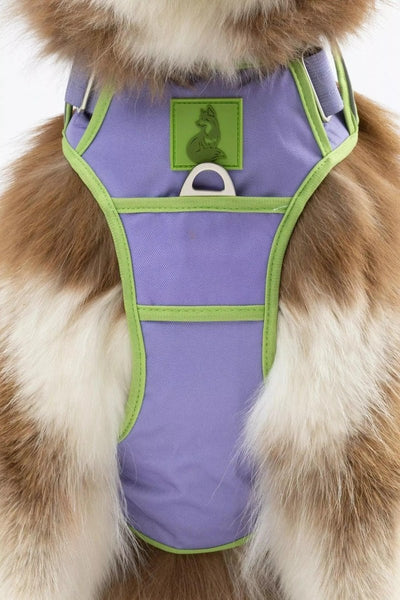
The most widely used no-pull design. The leash attaches to a D-ring centered on the chest plate. When the dog pulls forward, the leash angle redirects them sideways and back toward the handler. Effective for most pullers and compatible with standard leashes. Best for dogs in active training or those with moderate pulling behavior.
Dual-Clip Harnesses
Dual-clip harnesses include both a front chest attachment and a traditional back attachment, giving handlers the flexibility to use either clip depending on the situation. The front clip is used during training or high-distraction environments; the back clip is used for relaxed walks once pulling behavior has improved. Ideal for handlers who want one harness that adapts across training stages.
Padded No-Pull Harnesses
Designed for dogs walked daily or for extended periods. These harnesses feature lined chest plates, padded belly straps, and soft-touch webbing to minimize friction and pressure points. The no-pull function is maintained through front or dual-clip attachment while the padding prioritizes long-term comfort. Best for dogs with sensitive skin or those prone to chafing.
Step-In No-Pull Harnesses
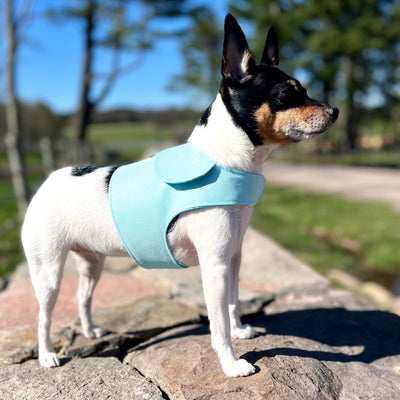
Step-in designs allow the dog to step into the harness from the ground up, eliminating the need to lift gear over the head - useful for dogs that are head-shy or resistant to overhead fitting. Many step-in models include a front-clip attachment for no-pull function. Best for small to medium dogs or those with handling sensitivities.
Frequently Asked Questions
Do no-pull harnesses actually stop pulling?
No-pull harnesses significantly reduce pulling by redirecting the dog's momentum rather than allowing it to build. They are most effective when used consistently and paired with basic leash training. They are a management tool, not a substitute for training, but most dogs show noticeable improvement within a few walks.
Is a front-clip or dual-clip harness better?
Front-clip harnesses are better for dogs actively learning loose-leash walking because the directional feedback is immediate and consistent. Dual-clip harnesses offer more flexibility for dogs that have made progress in training and need less correction on familiar routes. If you want one harness for all stages, dual-clip is the more versatile choice.
Can no-pull harnesses hurt my dog?
When properly fitted, no-pull harnesses are safe and comfortable. The key is correct sizing - a harness that is too loose can shift and cause chafing; one that is too tight restricts movement. Always check that you can fit two fingers under each strap and that the chest plate sits flat across the sternum without pressing into the armpits.
How do I measure my dog for a no-pull harness?
Measure your dog's girth (the widest part of the chest, just behind the front legs) and their neck circumference. Most harness sizing charts use girth as the primary measurement. When in doubt between two sizes, size up and use the adjustment points to dial in the fit.
Are no-pull harnesses suitable for puppies?
Yes - introducing a front-clip harness during puppyhood is one of the most effective ways to prevent pulling habits from forming. Choose a lightweight, adjustable model sized for your puppy's current weight and plan to resize as they grow.
Can I use a no-pull harness on a small dog?
Absolutely. Small dogs can be strong pullers relative to their size, and neck strain from collars is a real concern for small breeds. Look for lightweight front-clip or step-in harnesses with narrow straps and a chest plate scaled for smaller frames.
Shop No Pull Dog Harnesses
Browse our full selection of no pull dog harnesses below - front-clip, dual-clip, padded, and step-in designs sized for small, medium, and large dogs. Every harness is chosen for its control performance, adjustable fit, and walk-ready comfort.